Getting Paid to Help People: The Quiet Business Side of Coaching

Somewhere along the way, the habit of helping people turned into something people wanted to pay me for. It happened slowly and a little awkwardly. Friends would ask how I’d sorted out my own mornings, or how I stopped saying yes to everything, and the conversations got long enough and useful enough that eventually one of them said, only half joking, that I should charge for this. So I did, and it was one of the more uncomfortable things I’ve done.

I’m writing about the money part on purpose, because most reflection on this kind of work skips it. There’s plenty written about the meaning of helping people and almost nothing honest about the plain mechanics of getting paid for it. And the mechanics matter, because if the paying part doesn’t work, the helping part quietly stops being sustainable and you drift back to giving it all away until you resent it.

The awkwardness of naming a price

Yellow letter tiles spell the word 'price' against a vibrant blue backdrop, ideal for business concepts.
Photo by Ann H on Pexels

The first hard part had nothing to do with logistics. It was saying a number out loud. When you care about the work and you like the person, asking them to pay feels like it cheapens something. I stumbled through my first few rates, discounted for no reason, and generally acted like the money was slightly shameful.

What slowly fixed this was a change in how I saw it. The fee is what lets me give the work real time and attention instead of squeezing it into the margins as a favor. A paid hour is one I’ve genuinely set aside for someone. A free one is one I’ll cancel the moment anything more official comes up. Charging, oddly, made me more reliable and more present, and the people I worked with felt that.

I also learned to say the number and then stop talking. Early on I’d name a price and immediately soften it, offer a discount, fill the silence with apologies. Now I say it plainly and let it sit. Most people just say okay. The discomfort was almost always mine, not theirs.

Getting the actual payment to work

bitcoin, cryptocurrency, digital, money, electronic, coin, virtual, cash, payment, currency, global, cryptography, bitcoin, bitcoin, bitcoin, bitcoin, bitcoin, cryptocurrency, money, money
Photo by MichaelWuensch on Pixabay

The practical side turned out to matter more than I expected. Early on I made it hard for people to pay me. I’d wait to be asked, send vague requests, forget to follow up. Getting paid was somehow the one task I kept dropping, probably for the same awkwardness reasons above.

The fix was to make paying easy and to decide the terms before the work, not after. A clear rate, a clear moment when payment happens, and a simple way to actually send the money. When those 3 things are set up front, the whole exchange stops being a source of tension. Nobody’s wondering, nobody’s chasing.

The way people pay is worth thinking about too, because the people who want this help are not all next door. Some of the people I work with are in other cities, some in other countries entirely. Local habits vary more than you’d think. A bank transfer that’s normal in one place is a hassle in another, and someone paying from abroad can hit fees or delays that make a simple transaction annoying. It’s worth setting up a clear, straightforward way for clients to pay you, including online and from other countries, so distance and currency don’t turn a willing client into a stalled one. When paying is smooth, people pay without friction, and you both get to keep your attention on the work instead of the logistics.

Keeping it honest

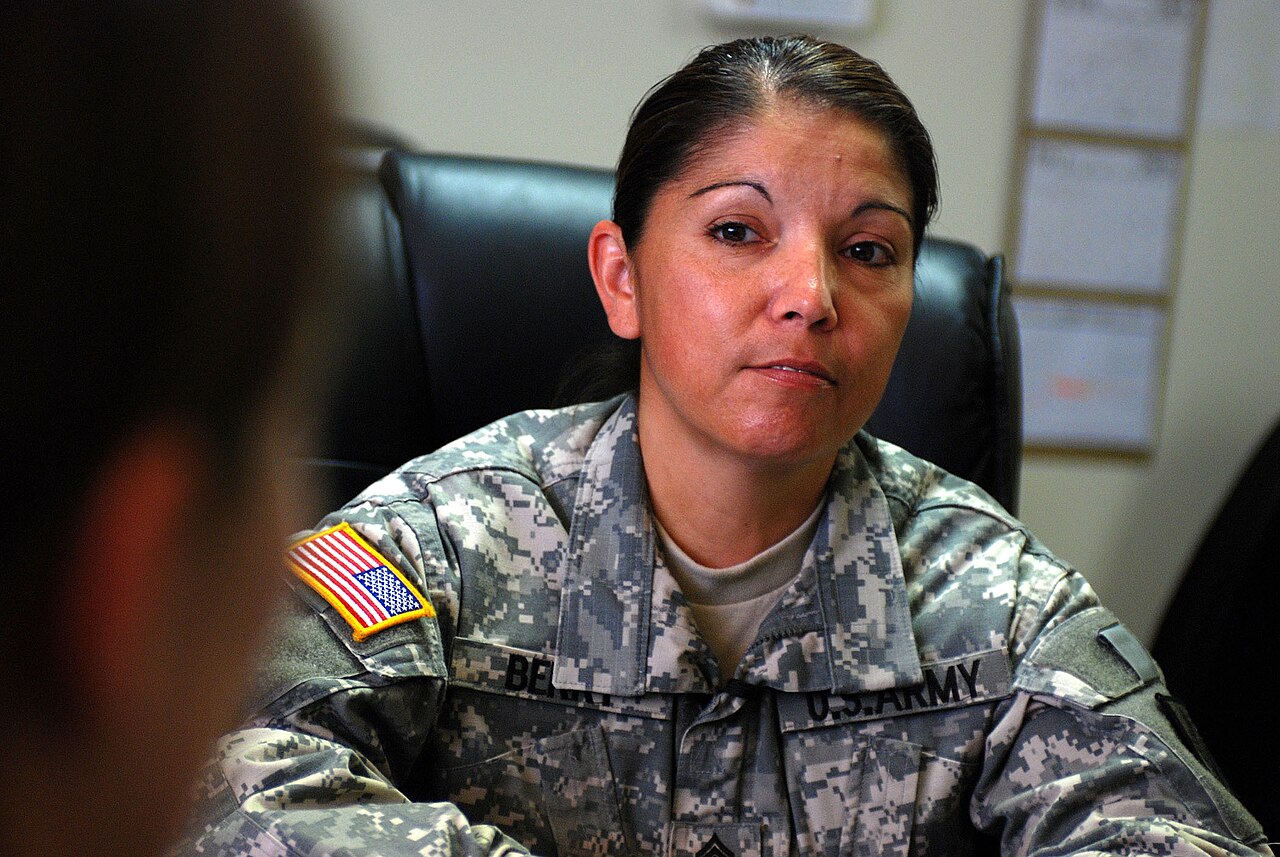
JTF Guantanamo IG Office, Keeping It Honest DVIDS87371
Photo by Petty Officer 2nd Class Nathaniel Moger on Wikimedia Commons

The last thing I’ll say is about not letting the business side eat the thing itself. Once money is involved there’s a pull to optimize, to package, to turn something human into a product with tiers and upsells. Too much of that and the work loses the plainness that made it worth paying for.

I try to keep it simple. I charge a fair rate for real attention. I make it easy to pay me. I don’t overcomplicate what people are buying, which is mostly time, honesty, and someone who’s paid attention to these problems before. The business exists so the helping can continue, not the other way around.

I still find the money part slightly awkward, and I’ve made peace with that. It’s probably a sign I care about the work more than the invoice. Getting paid properly is what lets this be a real thing I do rather than a favor I burn out on. The help is the heart of it. Getting paid is just what keeps the heart beating.

The Morning Routine I Stopped Forcing

I once had a morning routine with 9 steps. I’d read about it in various places and stitched together what looked like the ideal start: wake at 5, cold water, journal 3 pages, meditate 20 minutes, stretch, read, plan the day, all before I’d let myself near coffee. It was going to fix me.

I kept it up for about 3 weeks. Then a bad night’s sleep knocked out one step, which knocked out the next, and within a few days the whole structure was gone. What I felt wasn’t relief. It was failure. I’d added morning routine to the long list of things I apparently couldn’t stick to, and I carried that small shame around for a while.

Looking back, the routine didn’t fail because I lacked discipline. It failed because it was built for a version of me who didn’t exist. Someone with no bad nights, no early calls, no days where getting up at all was the whole achievement. I’d designed a morning for an ideal person and then blamed the real one for not fitting it.

Cutting it down to what survived

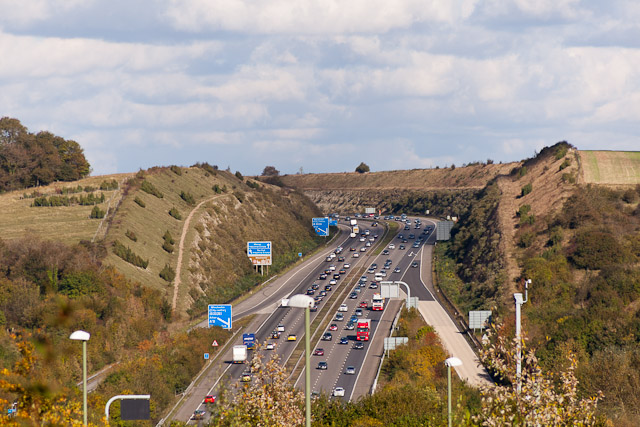
M3 cutting passing through Twyford Down - geograph.org.uk - 3178280
Photo by Peter Facey on Wikimedia Commons

When I tried again, months later, I did the opposite of building. I asked a smaller question: on a genuinely rough morning, tired and behind, what would I actually still do? Not what I should do. What would survive contact with a bad day.

The answer was short. I’d drink a glass of water because my body wanted it. I’d open the curtains because the dark made everything heavier. And I’d have a few quiet minutes with coffee before the day started making demands. That was it. Three things, none of them impressive, all of them things I’d do anyway on most mornings without calling it a routine.

So I made those the routine. The whole thing was water, light, a quiet coffee. If that was all I managed, the morning counted as a success, and that shift did more for me than any of the ambitious versions ever had.

Why the small version stuck

head stuck in the sand, phrase, meerkat, digging, sand, dig, animal, nature, zoo, tiergarten, small, fur, cute, mammal, adorable, portrait, meerkat, digging, digging, digging, digging, digging, dig, dig, dig, dig
Photo by Alexas_Fotos on Pixabay

The 9-step routine was fragile because every piece depended on the one before it. Miss a step and the chain broke, and a broken chain feels like a reason to quit. The 3-step version had almost nothing to break. Even on the worst mornings I could drink water and open a curtain. The floor was low enough that I basically couldn’t fall through it.

There was also no punishment built in. The old routine graded me every morning, and most mornings I came up short of the ideal, so I started the day already behind. The small one was almost impossible to fail, which meant I started most days with a quiet, small win instead.

Letting it grow on its own

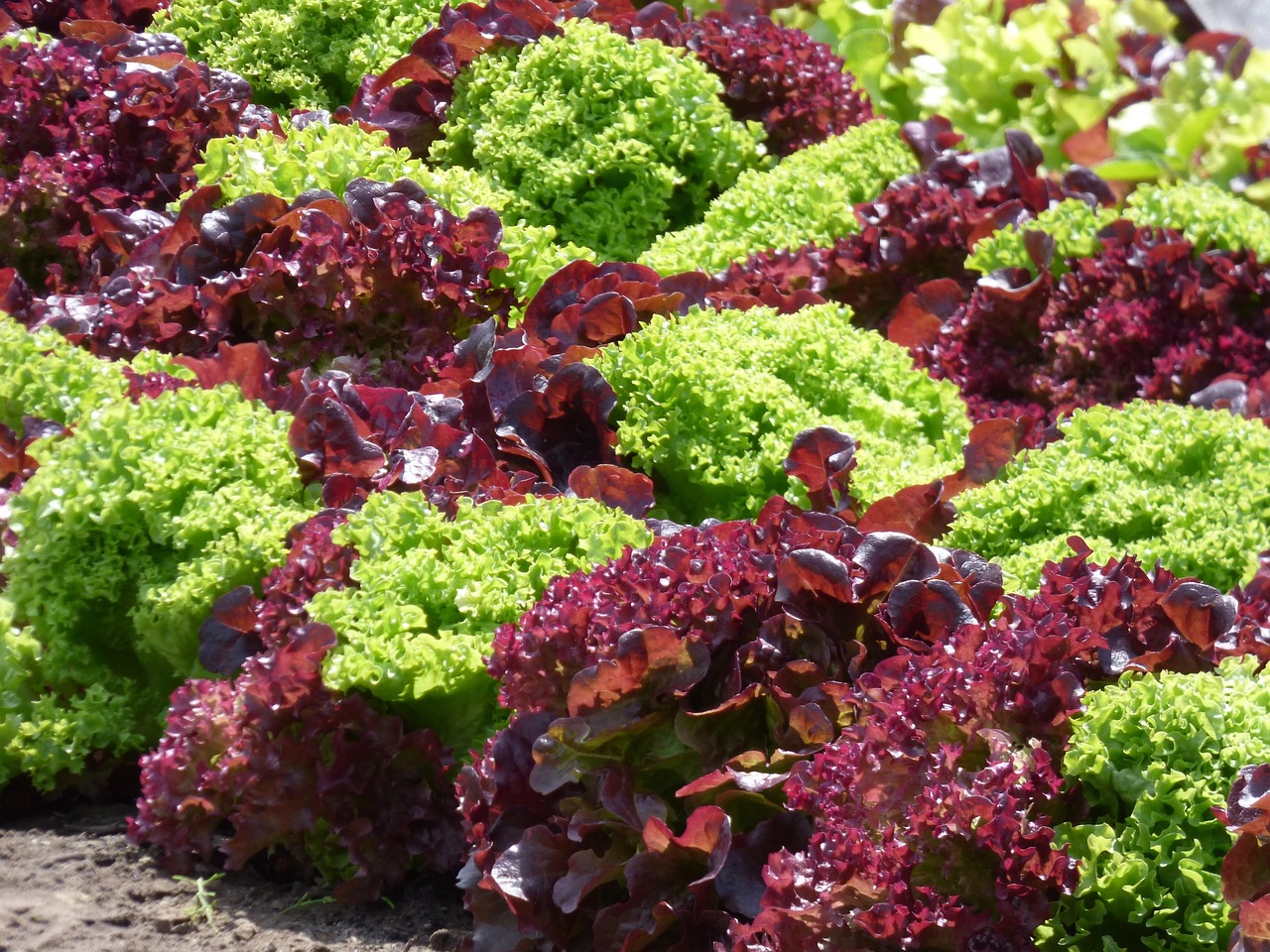
salad, red lettuce, green lettuce, healthy, kitchen garden, food, grow your own, red lettuce, red lettuce, red lettuce, red lettuce, red lettuce
Photo by PMAnguita on Pixabay

Here’s the part I didn’t plan. Once the small routine was solid, other things started attaching to it by themselves, without any forcing. Some mornings, after the coffee, I’d feel like stretching for a minute, so I did. A short walk showed up on its own once the weather turned.

The difference was that these were invitations, not requirements. On a good morning I took them. On a rough one I let them go and kept the core 3, and the day was still fine. Nothing collapsed because a bonus got skipped. The routine could flex with the day instead of shattering against it.

That flexibility is the whole thing, really. A routine you keep small enough to actually want bends and holds. It survives travel, bad sleep, busy weeks, all the ordinary chaos that used to wipe out my ambitious systems in a single hit.

I still do the 3 things most mornings. Water, light, quiet coffee. Some mornings that’s the whole routine and I think nothing of it. Other mornings it’s the start of something longer that grew there on its own. I stopped trying to engineer the perfect morning and just kept the small one I’d actually do, and the small one, it turned out, was the only kind that ever lasted.

What Burnout Taught Me About Doing Less

There was a stretch of about 8 months where I said yes to everything. Every project, every favor, every good idea that landed in my inbox. It felt like momentum at the time. I was busy, I was needed, and being needed felt a lot like being important. I mistook the two for a long while.

The slide into burnout was slow enough that I didn’t see it happening. It wasn’t one dramatic collapse. It was a hundred small erosions. Waking up already tired. Reading the same sentence 3 times because none of it landed. Dreading things I used to like. A short temper over nothing. I kept explaining it away as a busy season, and I kept promising myself it would ease once I got through the current pile. The pile never emptied, because I kept adding to it.

I want to be careful here. I’m not describing anything clinical, and I’m not offering a diagnosis. I’m describing the ordinary overwork that a lot of people carry, the kind that comes from doing too much for too long and calling it normal. That’s the version I know from the inside.

The false economy of more

leaves, branch, tree, leaf veins, deciduous tree, black locust, false acacia, robinia pseudoacacia, foliage, greenery, plant, flora, nature, closeup, black locust, greenery, greenery, greenery, greenery, greenery
Photo by Hans on Pixabay

The belief underneath all of it was simple and wrong. I thought more input meant more output. More hours, more tasks, more yeses, more results. So when I felt behind, my instinct was always to add. Wake earlier. Cut lunch. Fit one more thing into the gap.

What actually happened is that everything got worse in a quiet, hard-to-measure way. When I was stretched across 12 things, each one got a thinner slice of me. The work was slower because I was tired. It was sloppier because I was rushing. I’d redo things I’d have gotten right the first time with a clear head. I was pouring in more and getting less, and I couldn’t see it because the effort felt so real. Effort is a bad measure. I was confusing how hard I was working with how much I was moving.

Being forced to cut

Japanese student forced to cut her hair in a bob
Photo by Modern012 on Wikimedia Commons

The turning point wasn’t wisdom. It was that I got sick for a week, an ordinary flu, and physically couldn’t do most of what was on my plate. I had to cancel, postpone, and hand things off. I braced for the fallout.

The fallout didn’t come. A few things I’d been treating as urgent turned out to matter to no one but me. A couple of tasks solved themselves when I wasn’t there to hover over them. One or two people I’d been afraid to disappoint were completely fine with a later date. From bed, foggy and useless, I got my first honest look at how much of my load I had been carrying for no reason other than habit and a fear of dropping things.

That week did what months of good intentions hadn’t. It cut my list for me, and then it showed me the list had been too long the whole time.

Choosing less on purpose

A black letter board with white letters spelling 'Less is More' on a wooden table.
Photo by Jorge Urosa on Pexels

When I recovered, I tried not to just refill the space that had opened up. That’s the hard part, because the space fills itself if you let it. Work expands to whatever room you give it.

So I started asking a blunt question about anything new: if I say yes to this, what am I saying no to? For a while I’d pretended the answer was nothing, that I could simply add and the time would come from somewhere. The time always came from rest, from focus, from the few things that actually mattered. Once I made the trade visible, a lot of easy yeses turned into honest noes.

I also stopped measuring my days by how full they were. A packed day used to feel like a good day by default. Now a good day is one where the few things that count got real attention and I finished with something left in the tank. Some of my most useful days now look lazy from the outside. Fewer things, done properly, with breathing room around them.

Doing less didn’t make me less. That was the fear underneath the whole thing, that if I wasn’t constantly busy I’d be worthless, or found out, or left behind. None of that happened. The important work got better because it finally had room. The unimportant work fell away and, it turned out, no one missed most of it.

What I keep now

A few things stuck from that stretch. I keep my commitments fewer than I think I can handle, because I’m a reliable underestimator of what life will throw in on top. I protect a bit of empty space in the week and defend it more firmly than any meeting, because that space is what lets me absorb the unexpected without tipping over. And I try to notice the early signals, the flat mornings and the fuse getting short, and treat them as information instead of something to push through.

Burnout taught me that my instinct under pressure, to add and to push, is almost always the wrong one. The move that actually helps is the one that feels like giving up: doing less, on purpose, before I’m forced to. I’d rather choose the smaller list now than have a flu choose it for me later.

On Rest as a Skill, Not a Reward

For most of my adult life I treated rest as something I earned. I could sit down once the list was done, once the emails were cleared, once I had proven the day. The trouble was the list was never done. There was always one more thing, and so rest kept getting pushed to a finish line that moved every time I got close.

When I finally did stop, I wasn’t good at it. I’d collapse onto the couch and immediately feel the pull to check something, fix something, be useful. My body was still, but my head kept working. I’d get up an hour later more tired than before, and I’d blame myself for not relaxing properly. It took me an embarrassingly long time to see the real problem. I had never actually learned how to rest. I only knew how to stop.

Those are different things. Stopping is what happens when you run out. Resting is a practice, and like any practice you can be bad at it and slowly get better.

Rest that doesn’t restore anything

relax, man, log, field, meadow, rest, relaxing, resting, thinking, timeout, relax, relax, relax, relax, relax, rest, rest, rest, rest, relaxing, relaxing, resting, thinking, thinking
Photo by pen_ash on Pixabay

The first thing I had to admit is that a lot of what I called rest wasn’t restful at all. Lying in bed scrolling for 40 minutes left me flat, not recovered. Watching something with half my attention while answering messages was just work with a screen in the background. I was resting the way you fill a glass with a hole in the bottom. Time went in, nothing stayed.

Real rest, for me, turned out to be quieter and a little more deliberate. A walk with no podcast. Ten minutes on the step outside with tea, watching nothing in particular. The common thread was that my attention got to land somewhere gentle and stay there. That’s what actually refilled me.

Learning it on purpose

literature, wisdom, library, training, knowledge, stack, study, read, mac wallpaper, literary, paper, research, school, write, vintage, university, windows wallpaper, row, science, cover, a book, background, information, to learn, textbook, group, old, document, laptop wallpaper, culture, heap, wallpaper 4k, collection, desktop backgrounds, shelf, beautiful wallpaper, bookshelf, free wallpaper, antiquity, hd wallpaper, text, 4k wallpaper 1920x1080, ancient, retro, college, side, purpose, brown, classic, dirty, concepts, company, concept, article, cool backgrounds, library books, literacy, entertainment, fiction, hardcover, leisure time, white, workplace, story, hardcover book, pastel, business, recreation, know how, second hand, weathered, books, wallpaper hd, sale, romantic, carton, 4k wallpaper, fair, free background, print, at the age of, multicoloured, lots, nobody, full hd wallpaper, stacked, tower, law, isolated, dictionary, instructive, bound edition, volume, pitched, historical
Photo by ThorstenF on Pixabay

Once I understood rest as a skill, I started practicing it the way you’d practice anything, on ordinary days, not just emergencies.

I began small. I picked one point in the day, usually late afternoon when I flagged anyway, and I gave it 15 minutes of real rest. No phone within reach. No half-task running in the background. At first this felt uncomfortable, almost itchy. My mind kept offering me things to do. I let the offers come and didn’t take them, and after a few minutes the noise settled a little. Some days it didn’t settle at all, and that was fine too. Showing up was the practice.

The uncomfortable part is worth naming, because it’s where I gave up for years. Early on, rest feels like doing something wrong. There’s a low guilt, a sense that you’re getting away with something you haven’t paid for. That feeling is just the habit of earning talking, and it gets quieter the more you sit with it.

Small rests, kept often

kittens, pets, sleeping, cats, animal, domestic, cute, kitty, feline, nature, young, small, mammal, fur, adorable, striped
Photo by luxstorm on Pixabay

The other shift was frequency. I used to save rest for the big collapse, the weekend where I’d try to recover from everything at once. It never worked. You can’t repay 2 weeks of depletion in one Sunday, the same way you can’t sleep once for the whole month.

Small rests kept often did more than any big one. A few real minutes in the morning before the day started pulling. A pause between tasks instead of sliding straight from one into the next. A proper stop for lunch, sitting somewhere that wasn’t my desk. None of these were long. Together they kept me from reaching the point where I needed a rescue.

I think of it now the way I think of drinking water. You don’t wait until you’re dizzy to have a glass. You have a bit, regularly, so you never get there. Rest works the same way when you stop treating it as a prize.

What changed

The strange result of resting more is that I got more done, though that was never the point and I’m wary of selling it that way. Constant depletion had been quietly making me slow and scattered, and I’d just gotten used to working from empty.

What I actually notice is smaller and better than productivity. I’m more present in the evenings. I snap less. I finish the day with something left over instead of scraping the bottom. The work is still there in the morning, the same as it always was, but I meet it with a bit more of myself.

If you’ve been waiting to earn your rest, I’d gently suggest the finish line isn’t coming. The list renews itself. The permission you’re waiting for has to be one you give yourself, not something the day hands over once you’ve done enough. Rest is a thing you learn by doing it badly for a while, on purpose, until one day you notice you’ve gotten quietly better at being still.

The Small Habit That Changed More Than the Big Resolutions

For about 6 years I made the same resolution every January. Some version of get fit, read more, be calmer, wake up earlier. I wrote them on the same kind of notebook page every time, usually on the 1st, usually with coffee going cold beside me. By March the page was gone and so was the plan. I don’t think I was lazy. I think I was aiming at things too big to hold.

The habit that actually stuck was almost embarrassingly small. I started making my bed every morning. That’s it. Not to become a productivity machine, not because a book told me to, just because one winter the room felt like a mess and pulling the blanket straight took 40 seconds and made the whole thing look less sad.

I want to be honest about how unremarkable this sounds. Making your bed is the kind of advice that gets handed around until it loses all meaning. I ignored it for years for exactly that reason. What surprised me was not the tidy bed. It was what the 40 seconds did to the rest of the day.

The first small thing sets a tone

child, baby, little thing, childhood, a small child, booklet, the little girl, daughter, maternity, love, read to the child, toy, child, baby, baby, baby, baby, baby
Photo by 2081671 on Pixabay

When I made the bed first thing, I had already finished something before the day asked anything of me. It was done, it looked fine, and I had done it. That feeling carried further than I expected. On mornings I did it, I was slightly more likely to rinse my mug instead of leaving it. Slightly more likely to open the curtains. Slightly more likely to actually start the work I was avoiding instead of scrolling for 20 minutes first.

None of these were dramatic. Added together across a week they changed how the days felt. A habit is just a behavior that repeats until it runs on its own, and the useful thing about a small one is that it runs cheaply. It doesn’t need motivation or a good mood or the right playlist. It just needs to be small enough that you’ll do it on a bad day too.

That was the part the big resolutions kept missing. Read more assumes I have an hour and a clear head. Get fit assumes I have energy I often don’t. Make the bed assumes almost nothing. Because it asks for so little, I could keep it on the days that fell apart, and the days that fell apart were exactly the days I needed one thing to go right.

Why the big ones kept failing

big house, old one, old house, big house, big house, old house, old house, old house, old house, old house
Photo by Trinck on Pixabay

Looking back, my January resolutions failed for a reason that had nothing to do with willpower. They were outcomes dressed up as plans. Be calmer is a result. It doesn’t tell you what to do at 7am on a Tuesday. Wake up earlier is a result too, and it quietly depends on a dozen other things, like when you went to bed and whether you dreaded the day ahead.

A small habit works from the other direction. It’s a single action, fixed in time, attached to something you already do. I made the bed right after my feet hit the floor, before I let myself pick up my phone. The trigger was already there. I just parked one small action next to it.

The other quiet failure of big resolutions is that they punish you. Miss 3 gym days and the whole project feels ruined, so you drop it. With a small habit there’s less to ruin. If I forgot the bed one morning, nothing collapsed. I made it the next day. The stakes were low enough that a miss stayed a miss instead of turning into the end.

The point was never the bed

A stylish bed with artistic pillows and a straw hat exuding a relaxed, summer vibe.
Photo by Jess Loiterton on Pexels

Here’s the thing I only understood after a year of it. The bed was never really the point. The point was proving to myself, quietly and daily, that I could keep a small promise. I had spent years believing I was someone who started things and dropped them. Every abandoned resolution was more evidence for that story. The made bed, boring as it was, chipped at the story. I was keeping this one. Not perfectly, but often enough.

That changed what I believed I was capable of, and belief is where the bigger changes actually start. About 4 months in, I added a second small thing without much drama. I filled a glass of water and drank it before coffee. A few months after that, a short walk before I opened my laptop. I wasn’t following a system. I was letting one kept promise make room for the next.

The walks eventually grew. They grew because on the mornings I walked I felt better, and feeling better made me want to go again. The reading came back too, in a smaller and more honest form. Ten minutes at night instead of an ambitious hour I never had. Ten minutes I actually did beat 60 I only imagined.

What I’d tell someone starting

If you’re staring at a resolution that feels heavy, I’d shrink it until it feels almost too easy, and then start there. Not the version you think you should be able to do. The version you’ll still do on a tired, ordinary, slightly bad day.

Attach it to something you already do so you don’t have to remember it. After I brush my teeth, after I pour my coffee, after my feet hit the floor. Let the old habit carry the new one.

Keep it small for longer than feels necessary. The temptation, once it’s working, is to pile on. I did that early and buried the small thing under ambition and lost both. It’s better to let one habit sit until it’s genuinely automatic, until skipping it feels stranger than doing it, and only then add the next.

And forgive the misses fast. You will miss. A missed day is not a broken streak that proves anything about your character. It’s a Tuesday that didn’t go well. Make the bed on Wednesday.

I still make my bed. It’s been long enough now that I don’t decide to, my hands just do it while my mind is elsewhere. The room looks better, which was the original small reason. But the thing I kept was never really about the room. It was learning that change doesn’t arrive in January with a fresh notebook and a long list. It shows up in the small things you do so often you stop noticing, on the days you least feel like it, one kept promise at a time.