There was a stretch of about 8 months where I said yes to everything. Every project, every favor, every good idea that landed in my inbox. It felt like momentum at the time. I was busy, I was needed, and being needed felt a lot like being important. I mistook the two for a long while.
The slide into burnout was slow enough that I didn’t see it happening. It wasn’t one dramatic collapse. It was a hundred small erosions. Waking up already tired. Reading the same sentence 3 times because none of it landed. Dreading things I used to like. A short temper over nothing. I kept explaining it away as a busy season, and I kept promising myself it would ease once I got through the current pile. The pile never emptied, because I kept adding to it.
I want to be careful here. I’m not describing anything clinical, and I’m not offering a diagnosis. I’m describing the ordinary overwork that a lot of people carry, the kind that comes from doing too much for too long and calling it normal. That’s the version I know from the inside.
The false economy of more

The belief underneath all of it was simple and wrong. I thought more input meant more output. More hours, more tasks, more yeses, more results. So when I felt behind, my instinct was always to add. Wake earlier. Cut lunch. Fit one more thing into the gap.
What actually happened is that everything got worse in a quiet, hard-to-measure way. When I was stretched across 12 things, each one got a thinner slice of me. The work was slower because I was tired. It was sloppier because I was rushing. I’d redo things I’d have gotten right the first time with a clear head. I was pouring in more and getting less, and I couldn’t see it because the effort felt so real. Effort is a bad measure. I was confusing how hard I was working with how much I was moving.
Being forced to cut
The turning point wasn’t wisdom. It was that I got sick for a week, an ordinary flu, and physically couldn’t do most of what was on my plate. I had to cancel, postpone, and hand things off. I braced for the fallout.
The fallout didn’t come. A few things I’d been treating as urgent turned out to matter to no one but me. A couple of tasks solved themselves when I wasn’t there to hover over them. One or two people I’d been afraid to disappoint were completely fine with a later date. From bed, foggy and useless, I got my first honest look at how much of my load I had been carrying for no reason other than habit and a fear of dropping things.
That week did what months of good intentions hadn’t. It cut my list for me, and then it showed me the list had been too long the whole time.
Choosing less on purpose
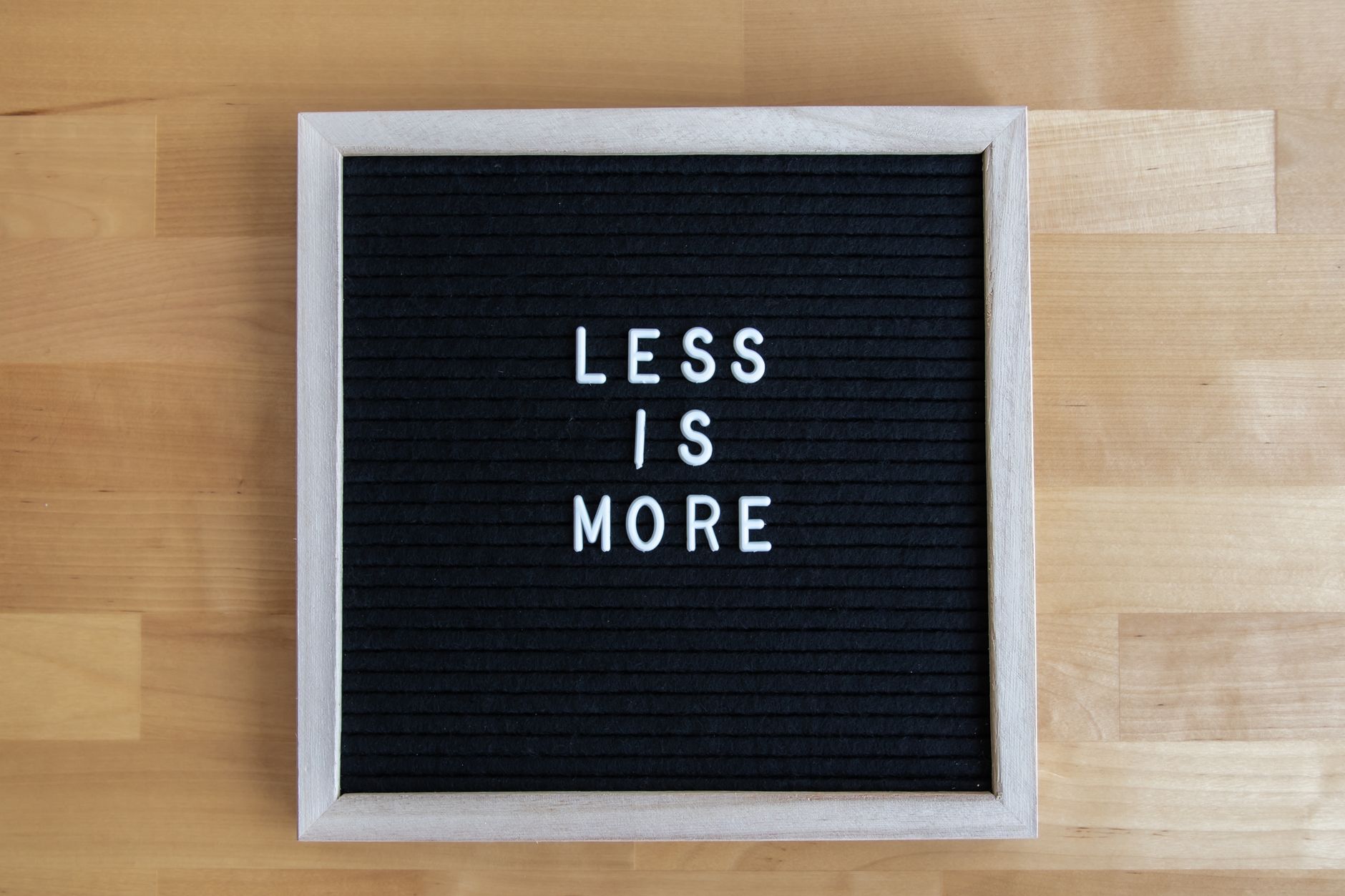
When I recovered, I tried not to just refill the space that had opened up. That’s the hard part, because the space fills itself if you let it. Work expands to whatever room you give it.
So I started asking a blunt question about anything new: if I say yes to this, what am I saying no to? For a while I’d pretended the answer was nothing, that I could simply add and the time would come from somewhere. The time always came from rest, from focus, from the few things that actually mattered. Once I made the trade visible, a lot of easy yeses turned into honest noes.
I also stopped measuring my days by how full they were. A packed day used to feel like a good day by default. Now a good day is one where the few things that count got real attention and I finished with something left in the tank. Some of my most useful days now look lazy from the outside. Fewer things, done properly, with breathing room around them.
Doing less didn’t make me less. That was the fear underneath the whole thing, that if I wasn’t constantly busy I’d be worthless, or found out, or left behind. None of that happened. The important work got better because it finally had room. The unimportant work fell away and, it turned out, no one missed most of it.
What I keep now
A few things stuck from that stretch. I keep my commitments fewer than I think I can handle, because I’m a reliable underestimator of what life will throw in on top. I protect a bit of empty space in the week and defend it more firmly than any meeting, because that space is what lets me absorb the unexpected without tipping over. And I try to notice the early signals, the flat mornings and the fuse getting short, and treat them as information instead of something to push through.
Burnout taught me that my instinct under pressure, to add and to push, is almost always the wrong one. The move that actually helps is the one that feels like giving up: doing less, on purpose, before I’m forced to. I’d rather choose the smaller list now than have a flu choose it for me later.

